Choosing a smartwatch case size

Short answer

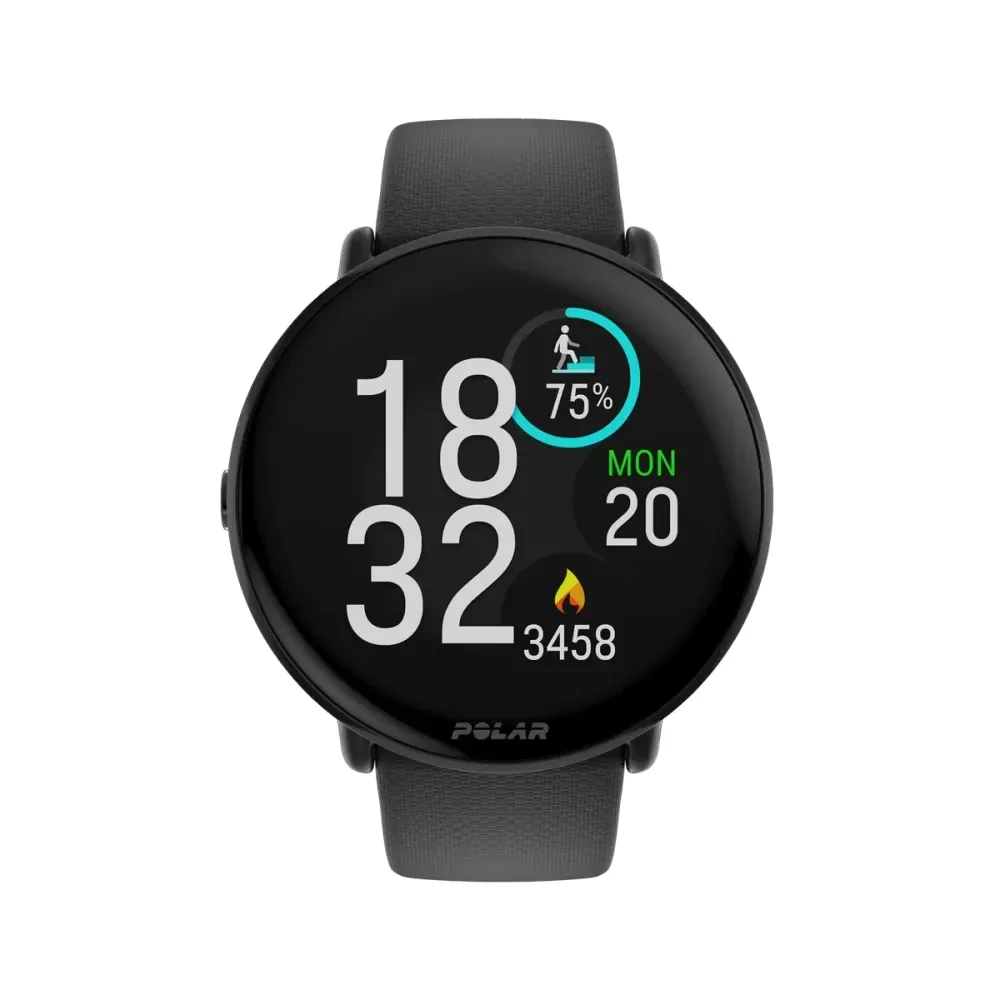
Bigger cases hold bigger batteries and weigh more. 21 watches here come in more than one size; the lightest case in the catalog is 21 g (Polar Ignite 3).

What changes between sizes

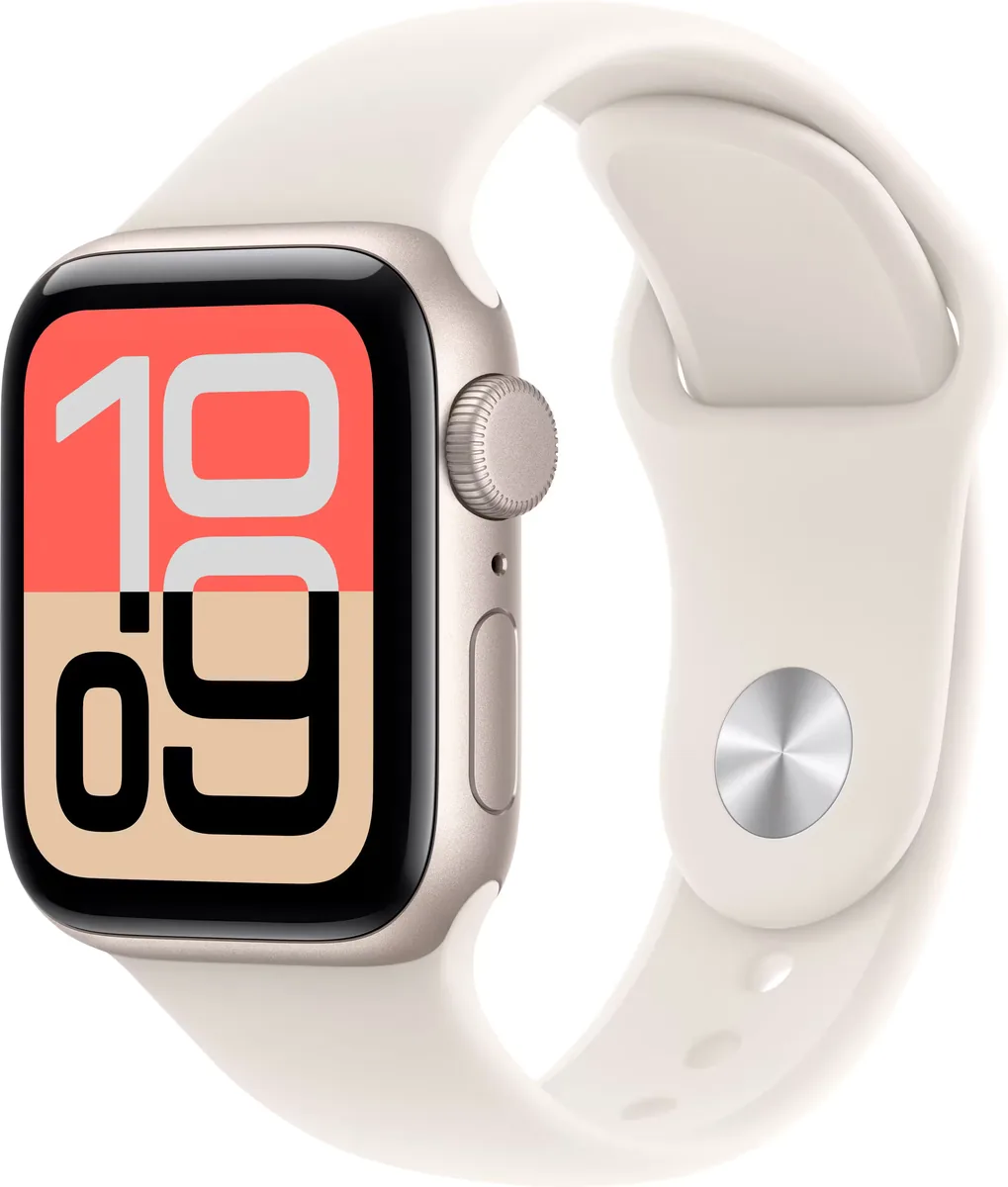
Apple Watch Series 12: 42 mm at 32.2 g, 46 mm at 39.5 g (aluminum, GPS, case only (Apple spec page)).

Apple Watch SE 3: 40 mm at 26.3 g, 44 mm at 32.9 g (aluminum, GPS, case only (Apple spec page)).

Samsung Galaxy Watch9: 40 mm at 31.5 g, 44 mm at 34 g (case and sensors only (Samsung compare page)).

Google Pixel Watch 5: 41 mm at 31 g, 45 mm at 36.7 g (without band (Google spec page)).

Google Pixel Watch 4: 41 mm at 31 g, 45 mm at 36.7 g (without band (Google spec page)).

OnePlus Watch 3: 43 mm at 37.8 g, 46 mm at 49.7 g ('Approximately 37.8g (excluding strap)', stainless steel (OnePlus spec page)).

Picking one

The case is what touches the wrist, so its width and the lug-to-lug length decide fit more than the screen does. If the larger size carries a longer battery figure, that is often the better reason to size up than the screen. Each watch page lists every size the maker sells with its weight and says whether the weight includes the band.

Watches this comes up with

Related

  • What a smartwatch water rating allows

    A rating is a lab pressure test, not a promise for every use. Apple's own footnote says a 50-metre watch suits swimming in a pool or ocean but not scuba diving, waterskiing or other high-velocity water sports, and that resistance can diminish over time.

  • Why a smartwatch battery falls short of the number on the box

    Because the headline is measured with the screen asleep between glances. Where makers publish both figures, turning the always-on display on leaves a median 39% of the headline in this catalog, and a GPS workout drains faster still.

  • How to read a smartwatch spec sheet

    Every specification explained, with the real numbers from the catalog behind each one.