Why a smartwatch battery falls short of the number on the box

Short answer

Because the headline is measured with the screen asleep between glances. Where makers publish both figures, turning the always-on display on leaves a median 39% of the headline in this catalog, and a GPS workout drains faster still.

What the headline assumes

Each maker measures its headline battery figure under its own test script. Apple publishes its script: the 'all-day' figure assumes 300 time checks, 90 notifications, 15 minutes of app use and a 60-minute workout with music over 18 hours. Other makers describe 'typical use' less precisely. None of these scripts is your day.

Most makers also publish a figure with the always-on display enabled. 26 of the 68 watches here have one; 30 of the 56 with an OLED or AMOLED screen do not, so for those nobody outside the maker knows the always-on figure.

How big the gap is

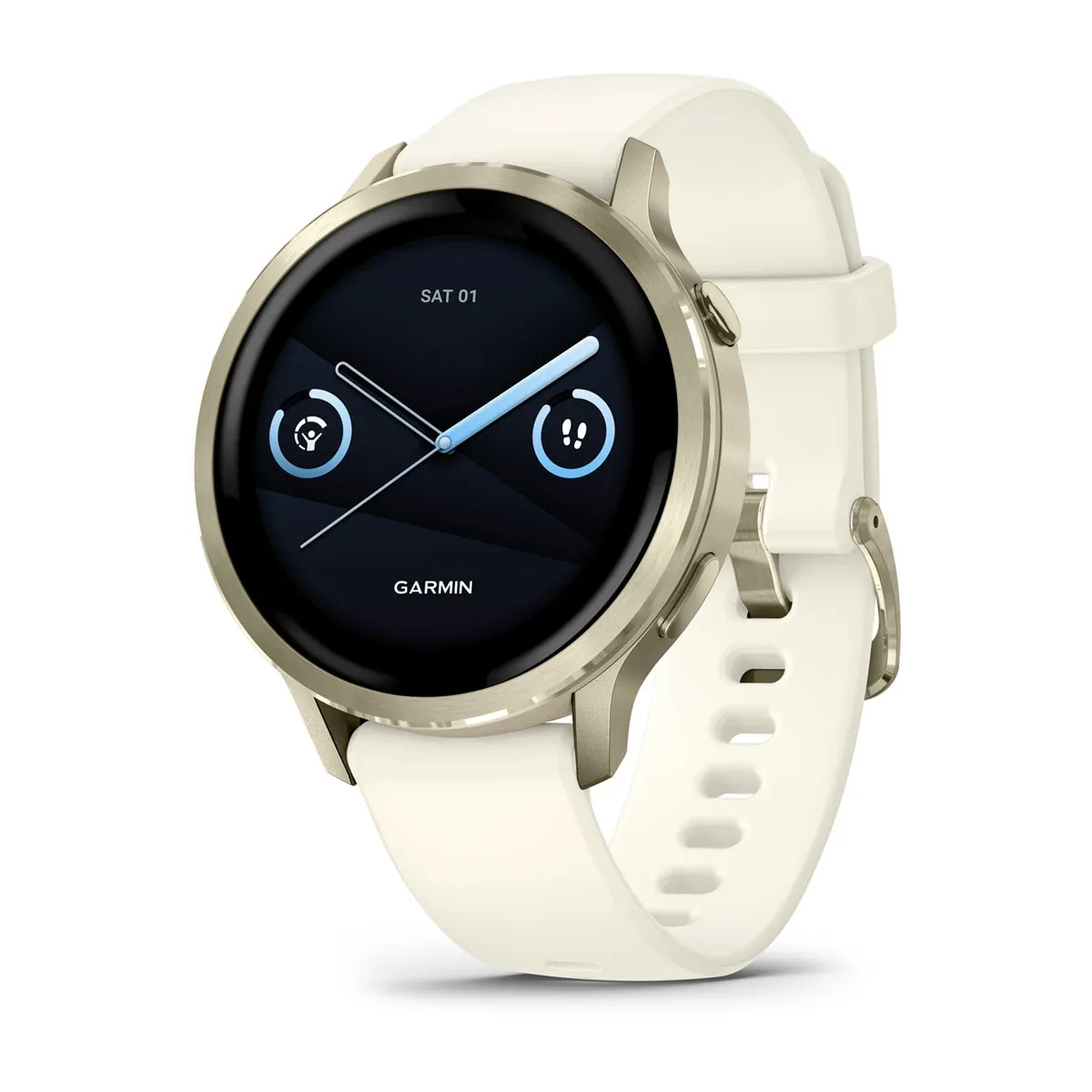
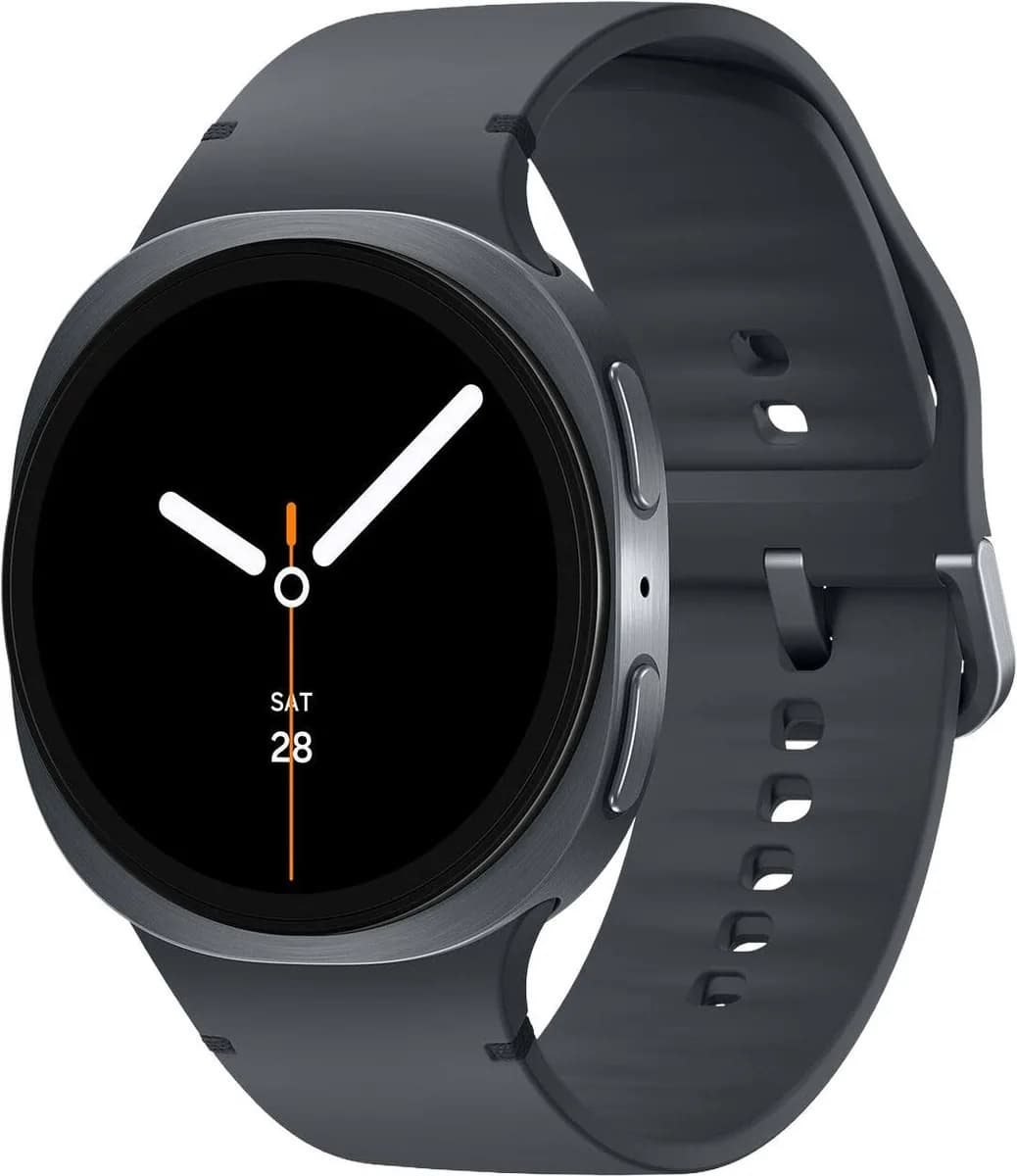
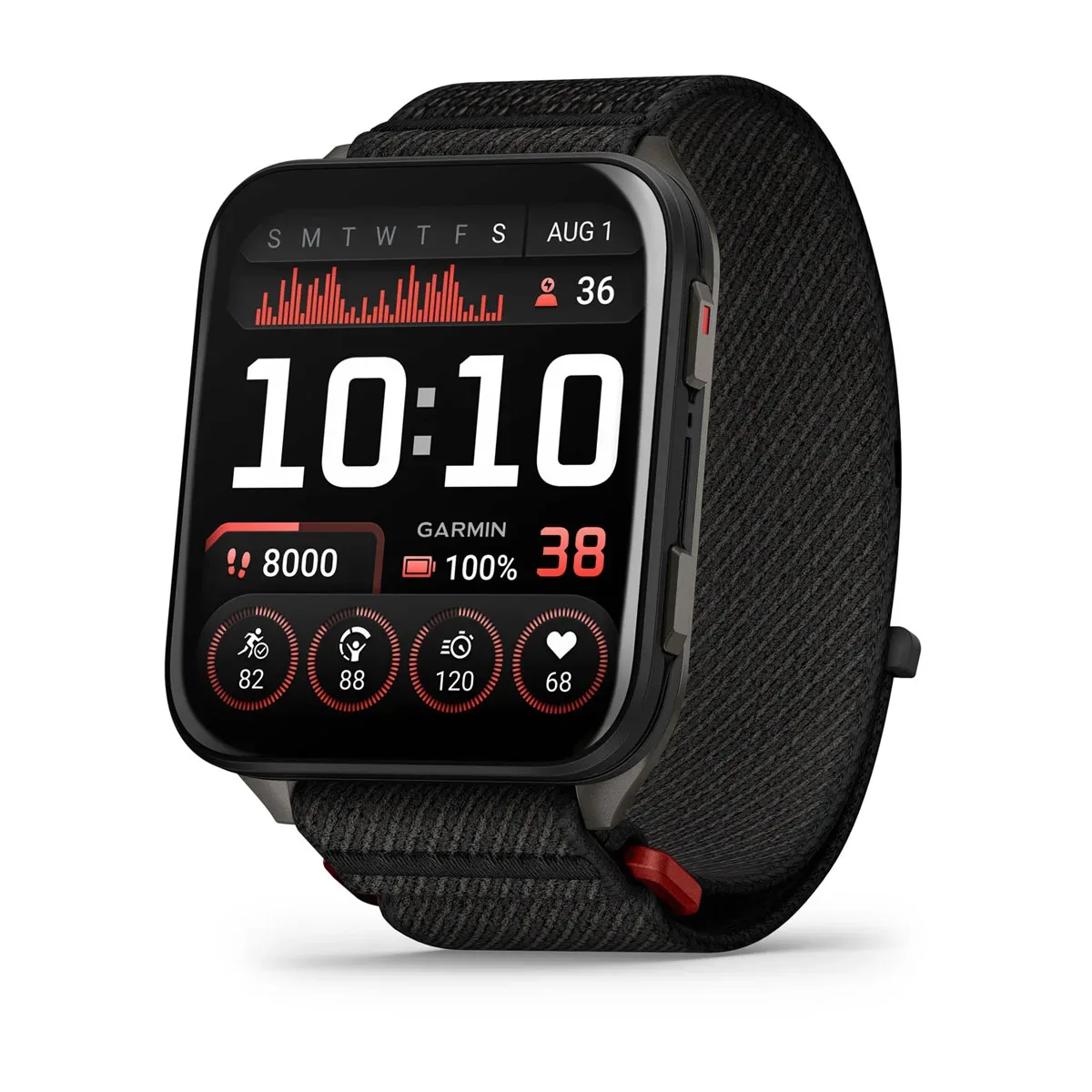
Across the 26 watches with both figures, the always-on figure runs from 25% of the headline (the Garmin Venu X1) to 100% (the Samsung Galaxy Watch8). The median is 39%.

GPS drains faster than either. The longest GPS figure here is 5 days on the Garmin Enduro 3; the app-platform smartwatches quote a few hours to a day.

What to do with that

Compare watches on the figure that matches how you will wear them: the always-on figure if you want the screen readable at a glance, the GPS figure if you track long workouts. Every watch page here shows all three, and says 'not published' where the maker gives none.

Sources

Maker claims quoted on this page are the maker’s own and are labelled as such. This page is general information, not medical advice.

Watches this comes up with

Related